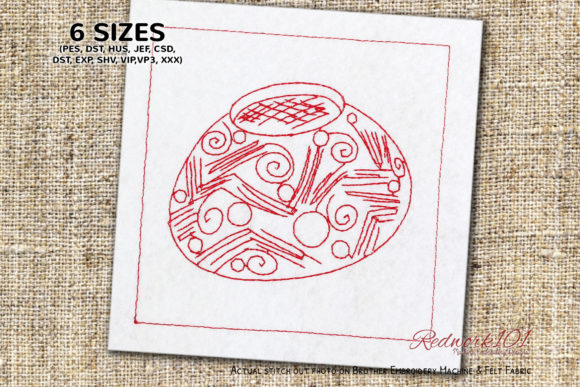
Antique Pottery Embroidery
As an experienced embroidery designer, I’ve evaluated countless machine embroidery designs for craft fair products and handmade items. Antique Pottery stands out as a versatile redwork design that could easily become a crowd-pleaser at your booth. Its rustic charm and kitchen-themed appeal make it a strong candidate for a variety of fabric-based products.
First Impressions of Antique Pottery
Antique Pottery exudes a warm, farmhouse aesthetic with its classic redwork style. The design feels both decorative and practical, making it ideal for kitchen decor. While the description mentions the Box Stitch is optional, the overall look suggests a bold, eye-catching motif that would stand out on any product. It’s not overly cute or modern—it leans more toward vintage elegance, which can be a big selling point for customers looking for unique, handcrafted items.
Where Antique Pottery Shines
When considering where to place this design, tote bags, aprons, and tea towels are natural choices. The embroidery would add a touch of personality to these everyday items, making them feel more special. For example, an apron embroidery featuring Antique Pottery could draw attention at a craft fair, especially when paired with other kitchen-themed products. Similarly, a tea towel embroidery with this design would serve as a functional yet stylish addition to a customer's home.
Embroidered patches and fabric pouches also offer great potential. These smaller items can be used as gift cards, keychains, or accessories, and Antique Pottery’s size and detail make it suitable for such applications. On caps, the design may need some adjustment depending on the hoop size, but it could still work well as a small accent.
Practical Selling and Production Points
One of the most important factors for craft fair sellers is how easy a design is to produce in bulk. Antique Pottery appears to be a design that can be repeated without much difficulty. However, it’s essential to check the stitch density—especially if you’re working with thick fabrics or textured towels. If the design has dense areas, you may need to adjust the stabilizer or consider using a different thread color for better visibility.
For online listings, the design should photograph well, provided the background and lighting are chosen carefully. As an Etsy seller, you’ll want to ensure that the design looks clean and professional in your digital embroidery file. A printable mockup can help showcase how the design will appear on various products before committing to production.
Careful-Use Notes
While Antique Pottery is visually appealing, there are a few things to keep in mind. If the design includes tiny details or small lettering, they may not translate well on certain fabrics. Thick or dark materials could also affect the visibility of the embroidery, so testing on scrap fabric is highly recommended. Additionally, if you plan to use this design on curved surfaces like caps, you may need to adjust the placement to ensure the design remains clear and centered.
Stitch density is another consideration. If the design is too dense, it could cause puckering or distortion on lightweight fabrics. Always confirm the hoop size and test the design on different fabric textures before finalizing your batch.
Impact on Visual Appeal and Customer Engagement
Antique Pottery has the potential to elevate the visual appeal of your craft fair products. Its vintage style can attract customers who appreciate handmade quality and unique design elements. When displayed alongside other kitchen-themed items, it can create a cohesive look that draws in buyers.
As a small shop product, this design offers a balance between creativity and practicality. It allows for brand consistency while providing enough variation to stand out among competitors. For boutique makers and creative entrepreneurs, Antique Pottery could serve as a signature piece that reflects your style and craftsmanship.
Embroidery Designer Notes
Before producing Antique Pottery for sale, I recommend testing the design on different fabrics to see how it performs. Check the thread colors against the fabric to ensure contrast and clarity. Review the spacing and stitch density to avoid overcrowding or gaps in the design.
Confirming the correct hoop size is crucial for efficient production. Using the right stabilizer will help maintain the integrity of the design, especially on delicate or stretchy materials. Creating a real mockup—whether on a tote bag or an apron—can give you a better sense of how the finished product will look in person.
Lastly, always verify the commercial licensing terms for any digital embroidery file you plan to sell. Even if the design seems simple, ensuring legal compliance is essential for protecting your business and your customers.
Conclusion: A Versatile Design for Craft Fair Success
Antique Pottery is a strong contender for a variety of craft fair products. Its rustic charm, versatility, and potential for visual impact make it a valuable addition to any embroidery business. Whether you're an Etsy seller, a Cricut crafter, or a boutique maker, this design offers a blend of style and functionality that can enhance your product line and attract loyal customers.