Boomerang: A Retro Shape for Real Projects
As a designer and embroidery product reviewer, I approach every new machine embroidery design with a critical eye. Boomerang, a vintage boomerang machine embroidery design, caught my attention not just for its nostalgic appeal but for how it might fit into real-world projects. This shape has the potential to elevate a wide range of handmade products, from custom apparel to personalized gifts. But does it deliver in practical use? Let’s break it down.
The First Impression: Nostalgia Meets Simplicity
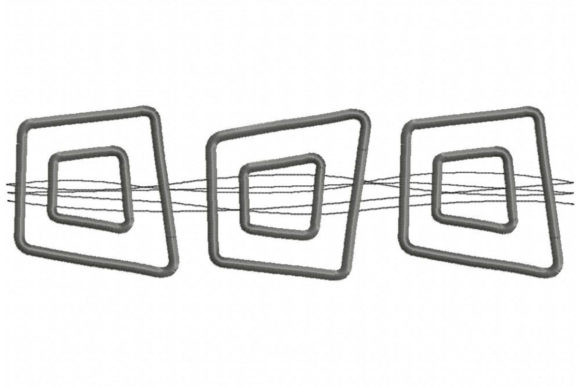
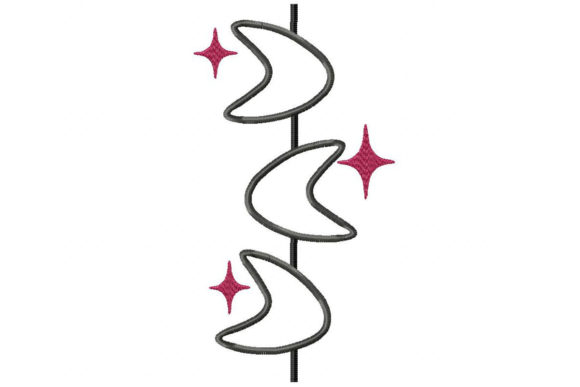
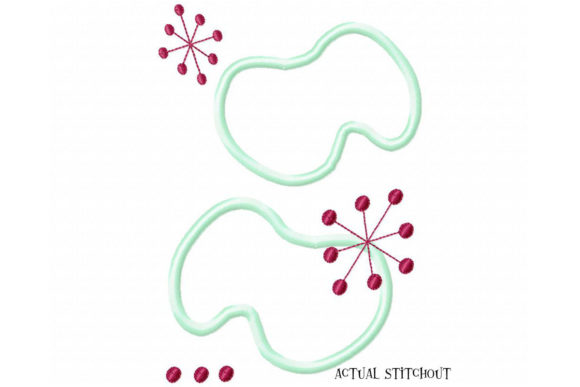
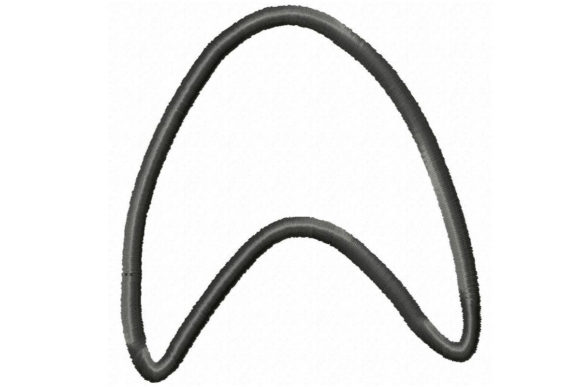
Boomerang immediately evokes a sense of retro charm. The shape is clean, angular, and slightly stylized, making it perfect for vintage-themed projects. Its layout is straightforward, which means it can be easily adapted to different sizes and applications. The design doesn’t rely on excessive detail, which makes it versatile for both simple and more complex embroidery projects.
This is a shape that feels at home on tote bags, sweatshirts, and baby items. It has a visual personality that’s bold enough to stand out but subtle enough to work in a variety of settings. The design’s simplicity also means it can be used as an applique or as a fill element in larger compositions.
Real-Life Use: From Tote Bags to Baby Onesies
Imagine you’re working on a custom embroidered tote bag for a client who wants something unique but not too flashy. Boomerang could be the perfect focal point. Its shape is dynamic enough to catch the eye without overwhelming the design. When stitched on a cotton tote, it adds a retro flair that feels modern and timeless.
For a baby item, like a onesie or a blanket, Boomerang could serve as a subtle yet meaningful design. The shape is safe for children’s clothing and offers a clean look that won’t fade quickly. It works well with pastel or neutral tones, making it ideal for nursery decor or gender-neutral designs.
If you're creating a patch for a jacket or a cap, Boomerang can be a standout element. Its structure allows for clear satin stitch outlines and smooth fill stitches, ensuring that the final product looks professional and polished. Whether you're using it for a craft fair booth or an Etsy listing, it’s a design that can make your handmade product stand out.
Where Boomerang Needs Careful Handling
While Boomerang is a strong design, there are some situations where it may require extra attention. For example, on small hoop sizes, the design may feel cramped, especially if you're trying to add intricate details. If you're working with textured fabrics or thin materials, the stitch density might cause puckering or distortion.
On dark fabrics, the design may need a contrasting thread color to ensure visibility. If you're planning to use it on stretchy or curved surfaces, like a cap or a hat, you’ll want to test it first to make sure the shape remains intact after washing and wear. Tiny corners or detailed areas might not hold up well if the stitch density is too high.
When using Boomerang as part of a layered garment or a decorative accent, it’s important to balance the design with other elements. Too much detail in one area can make the overall look cluttered. Also, if you're planning to sell finished products, check the licensing terms to make sure you’re allowed to use the design commercially.
Impact on Visual Appeal and Customer Perception
Boomerang adds a touch of nostalgia that can enhance the visual appeal of any project. Its clean lines and retro vibe make it a great choice for handmade products that aim to evoke emotion or memory. When used effectively, it can increase the perceived value of a finished product, making it more desirable to customers.
From a customer perspective, a well-executed Boomerang design can create a sense of trust. It shows that the maker has thought about the details and chosen a design that complements the item. This kind of attention to detail is especially important for Etsy sellers and small shop owners looking to build a loyal customer base.
When it comes to giftability, Boomerang can be a great choice for holiday or personal gifts. Its retro style is universally appealing and can be tailored to suit different tastes. Whether it's a personalized pillow cover or a custom apron, the design adds a thoughtful touch that resonates with many buyers.
Practical Designer Notes for Using Boomerang
Before committing to a project, always test Boomerang on scrap fabric. This will help you understand how the design behaves on different materials and how the stitch density affects the final result. Check thread color contrast—especially if you're using dark fabrics—and make sure the design is visible and sharp.
Review the hoop size required for the design. If you're working with limited space, consider scaling the design down or adjusting the layout. Inspect small details closely, as even minor imperfections can affect the overall look. Test the design in black and white mockups to see how it translates on different backgrounds.
Use the right stabilizer for the fabric you're working with. This will prevent puckering and ensure that the design stays in place. Confirm that the design works for both personal and commercial use, and always check the licensing before selling any finished items or digital products.
Final Thoughts: A Design That Works When Used Right
Boomerang is a machine embroidery design that brings a retro aesthetic to life. It’s a shape that feels at home in a variety of projects, from custom apparel to personalized gifts. While it has its limitations, it also has a lot to offer when used correctly.
For designers, small business owners, and crafters, Boomerang is a valuable addition to their design assets. It’s a shape that can be adapted to many uses, provided you take the time to understand its strengths and limitations. Whether you're creating a handmade product for your own collection or preparing a digital file for sale, Boomerang is worth considering—especially if you're looking for a design that feels both nostalgic and modern.