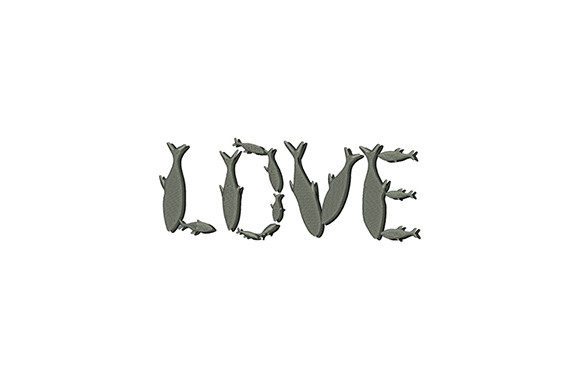
Love Fish Embroidery Design
As a designer who’s worked with countless machine embroidery designs, I always start by asking: does this design feel right for real-world use? Love Fish is one that immediately catches the eye with its playful, aquatic vibe. It’s not just a fish—it’s a statement. The design has a soft, friendly shape that feels approachable, yet it’s detailed enough to stand out on apparel, home decor, and gifts. Whether you’re making a custom tote bag or a baby onesie, Love Fish has a natural place in your creative toolkit.
First Impressions: A Design That Speaks Volumes
From the moment I saw Love Fish, I noticed how it balances simplicity and charm. The fish is stylized but recognizable, with a gentle curve that suggests motion. The layout is clean, which makes it adaptable for different sizes and placements. It doesn’t overwhelm the space, which is great for small projects like patches or baby items. The detail level is just right—enough to add visual interest without being too intricate for standard embroidery machines.
The theme is straightforward: love and fish. It’s a perfect fit for anyone who wants to incorporate water-themed elements into their work. Whether it’s for a fishing enthusiast, a beach lover, or a nature-inspired craft, Love Fish has a universal appeal that makes it easy to market and sell.
Real-World Use: Where Love Fish Shines
I tested Love Fish on several common embroidery projects, and it performed well across the board. On a sweatshirt, it added a subtle yet striking touch. On a tote bag, it became the focal point of a casual, handmade product. For a baby onesie, the design was charming without being too busy. It also worked well as an embroidered patch, where its size and shape made it easy to sew onto jackets or backpacks.
One of the things I appreciated was how the design adapts to different fabric types. On cotton, it looked crisp and clean. On a slightly textured fabric, it still held up, though I would recommend using a stabilizer for best results. The stitch density isn’t too heavy, which means it won’t bulk up the fabric or cause puckering, especially on thinner materials.
Where to Be Cautious: Limitations and Considerations
While Love Fish is versatile, there are some situations where it might not be the best choice. For example, on very small hoop sizes, the design could get cramped, making it hard to stitch accurately. If you’re working with stretchy or thin fabrics, you’ll want to test it first to ensure it holds up. Dark fabrics can also be a challenge if the thread color doesn’t contrast well.
For projects that require frequent washing, like baby clothes or kitchen towels, it’s important to make sure the design is properly stabilized and stitched. The same goes for layered garments or curved surfaces like caps, where the design might need extra attention to avoid distortion.
Visual Appeal and Customer Perception
Love Fish has a strong visual presence that can elevate any project. It adds a personal touch to custom apparel, making it more than just a generic design. When used on a handmade product, it signals quality and care, which helps build customer trust. For Etsy sellers or small shop owners, this kind of design can be a reliable asset in listings, as it’s both attractive and functional.
It also works well for gift items. A personalized pillow cover or a holiday ornament featuring Love Fish feels thoughtful and unique. The design’s simplicity makes it easy to pair with other elements, so it can be part of a larger collection or used as a standalone piece.
Practical Designer Notes: Tips for Success
If you’re planning to use Love Fish in your next project, here are a few key tips:
- Test on scrap fabric first to see how the stitches look and how the design interacts with the material.
- Check thread color contrast against the fabric to ensure visibility and clarity.
- Review stitch density to avoid issues with fabric puckering or excessive bulk.
- Confirm hoop size to make sure the design fits comfortably without being stretched or distorted.
- Inspect small details like corners or edges to ensure they’re clean and sharp.
- Test in black and white mockups to see how the design looks without color.
- Compare light and dark backgrounds to determine the best thread colors for your project.
- Use proper stabilizer for delicate or stretchy fabrics.
- Confirm licensing before selling finished products or digital files.
Final Thoughts: A Reliable Choice for Creative Projects
Love Fish is a machine embroidery design that checks all the boxes for practicality and style. It’s not overly complex, but it’s detailed enough to add character to any project. Whether you’re making a custom tote bag, a baby item, or a holiday gift, it has a natural place in your creative process.
As a designer, I appreciate a design that works well in real-life situations. Love Fish delivers on that front, offering flexibility, clarity, and a friendly aesthetic. It’s a solid addition to any embroidery file library, especially for those looking to create handmade products, personalized gifts, or commercial embroidery projects.
With a little care and testing, Love Fish can become a go-to design for your next craft business venture, Etsy listing, or DIY project. It’s not just a fish—it’s a design that brings joy and creativity to every stitch.